A documentary made in collaboration with people from coastal communities around the world…
It's not just coral reefs and fish that are threatened as the oceans warm – it's all life…

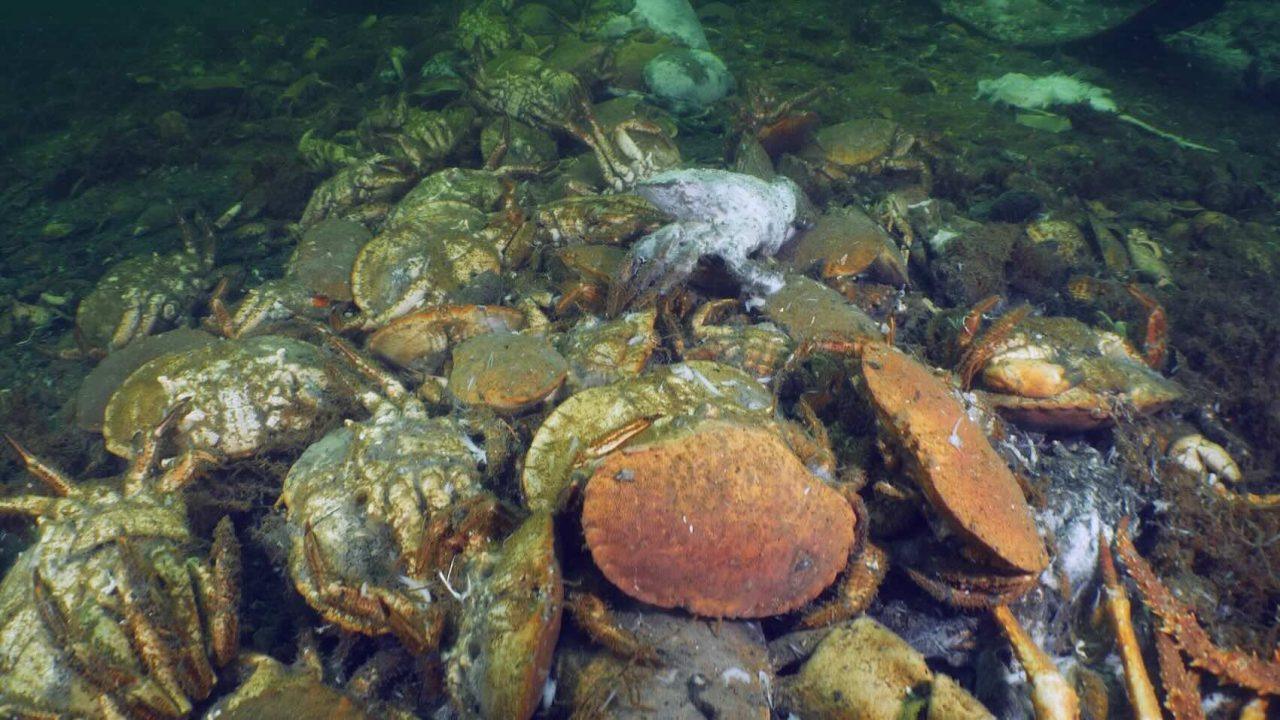
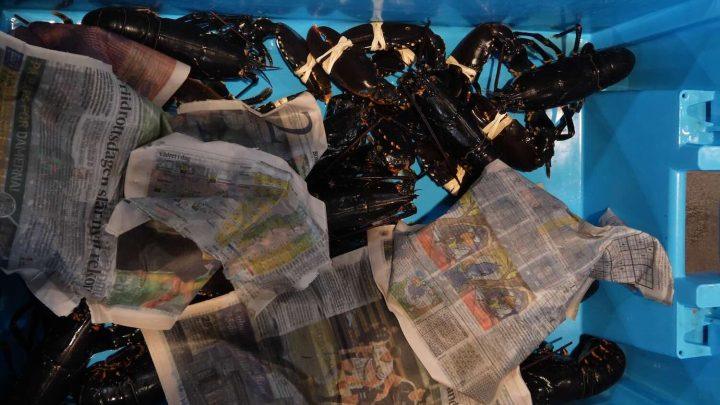
Crab claws are considered a delicacy, while the crab body itself is not always appreciated by customers. That’s why the claws are valuable to the fishing industry, while the body is harder to sell. And to ensure that fishermen don’t simply break off the claws and throw the clawless crabs back into the sea, there are, in Sweden, regulations governing the sale of crabs.

Tuna is usually caught using longlines, which the UN has classified as the fishing method with one of the highest levels of bycatch of all gear types. On average, bycatch in longline fishing accounts for more than a quarter (28%) of the total catch. Not only tuna are caught in the hooks, but also sharks, sea turtles, swordfish, seabirds, dolphins, juvenile fish, and other fish species. In the Azores, they have taken a different approach. By combining centuries-old craftsmanship with a large network of marine protected areas, they have managed to achieve both large catches and more fish remaining in the sea.
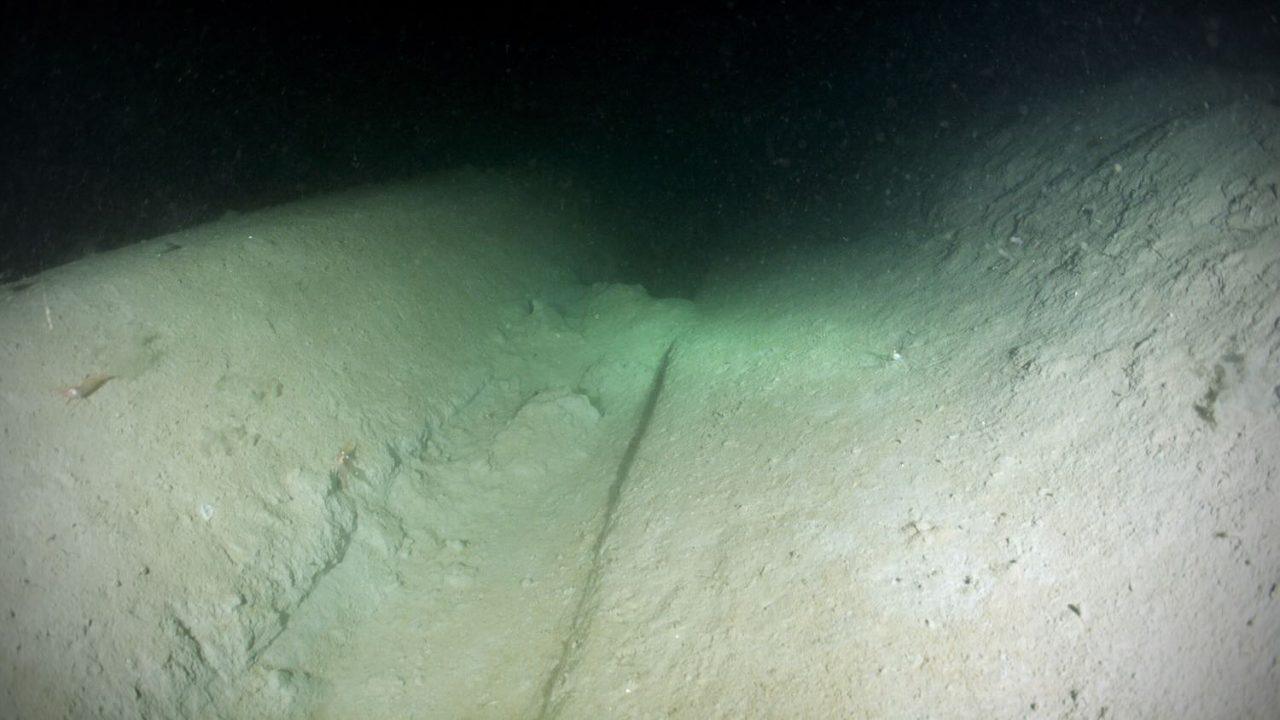
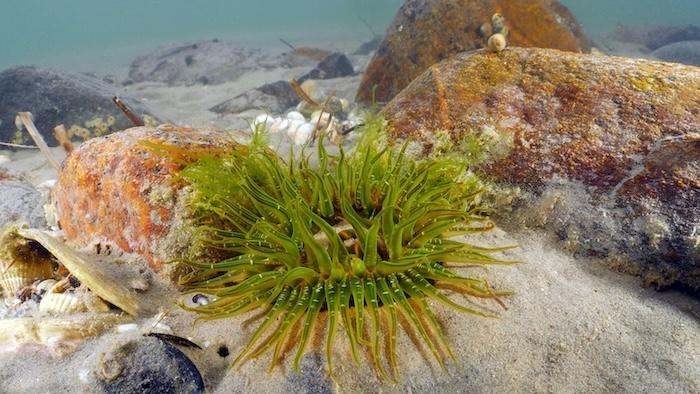
Deep Sea Reporter examines bottom trawling in marine protected areas – part one. The Swedish shrimp is both red-listed according to the Swedish Species Information Centre and has lost its MSC certification, yet trawling for shrimp continues even in marine protected areas. Deep Sea Reporter will examine the consequences of bottom trawling in two reportages. In part one, we dive into Gullmarsfjorden, Sweden’s first marine protected area and the country’s only threshold fjord with unique marine life.

Laws alone are not enough to stop global overfishing. That is the view of researcher Frida Bengtsson, who has investigated what else is needed to create a sustainable fishing industry.
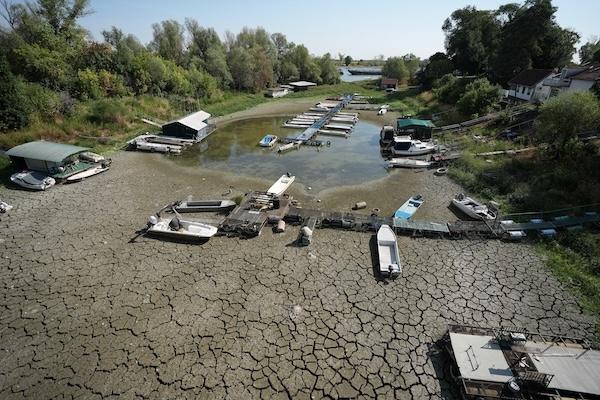
The Earth’s water system is out of balance. Freshwater reserves are dwindling and most rivers have not flowed normally over the past seven years, according to a new UN report. ´The main message is that water availability has declined in recent years,´says SMHI hydrologist Yeshewatesfa Hundecha.
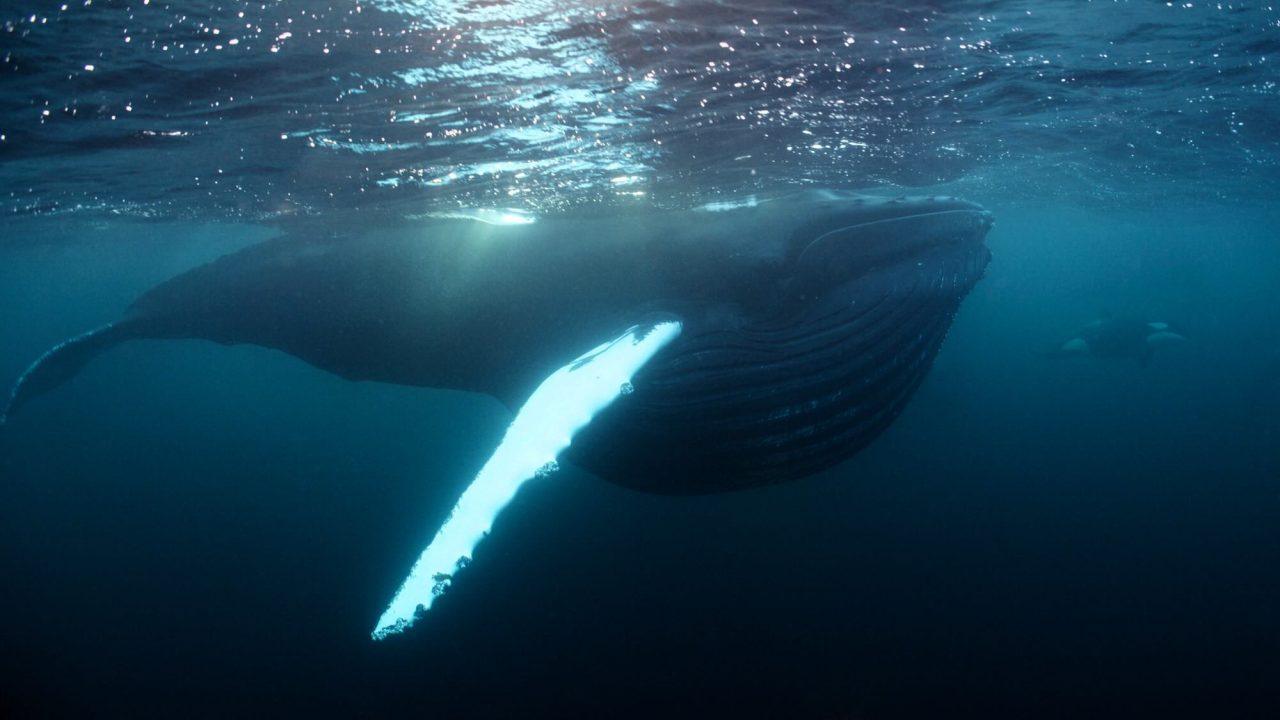
Sound is the whale’s most important tool for finding food, navigating and finding a mate. Now, global warming is wreaking havoc in the oceans. As the acoustic landscape changes, whales are forced to move, alter their mating calls – or fall completely silent when hunger takes over.
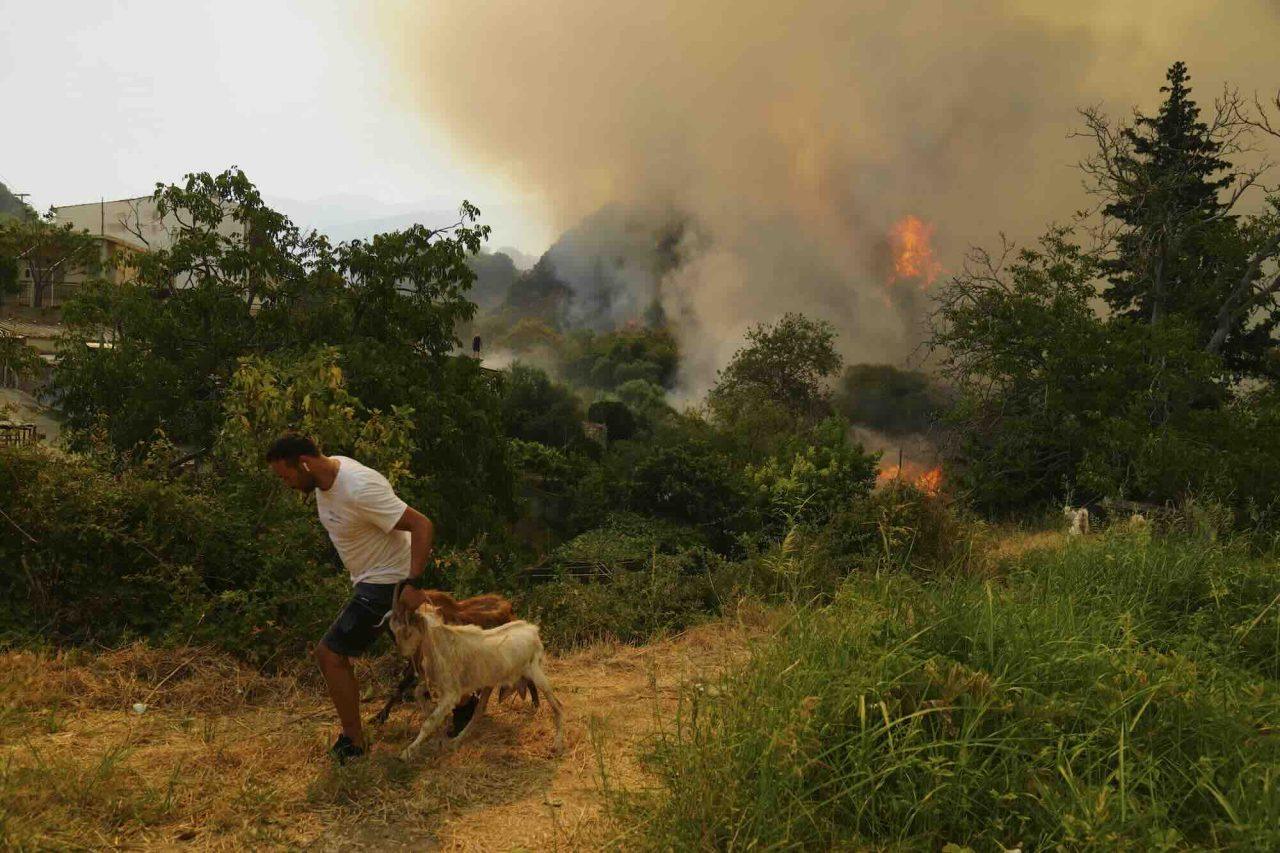
Everything points in the wrong direction. Never before has the Earth’s climate been so out of balance, warns the World Meteorological Organisation (WMO).

Few would say there is anything beautiful about an oil platform far out at sea. But if you dive beneath the surface, the picture is often quite different. Reefs may have formed around the platform’s foundations, teeming with soft corals, fish and other marine life. In 2018, two marine biologists from California, Amber Sparks and Emily Hazelwood, founded the Blue Latitudes Foundation to save these soft coral reefs.
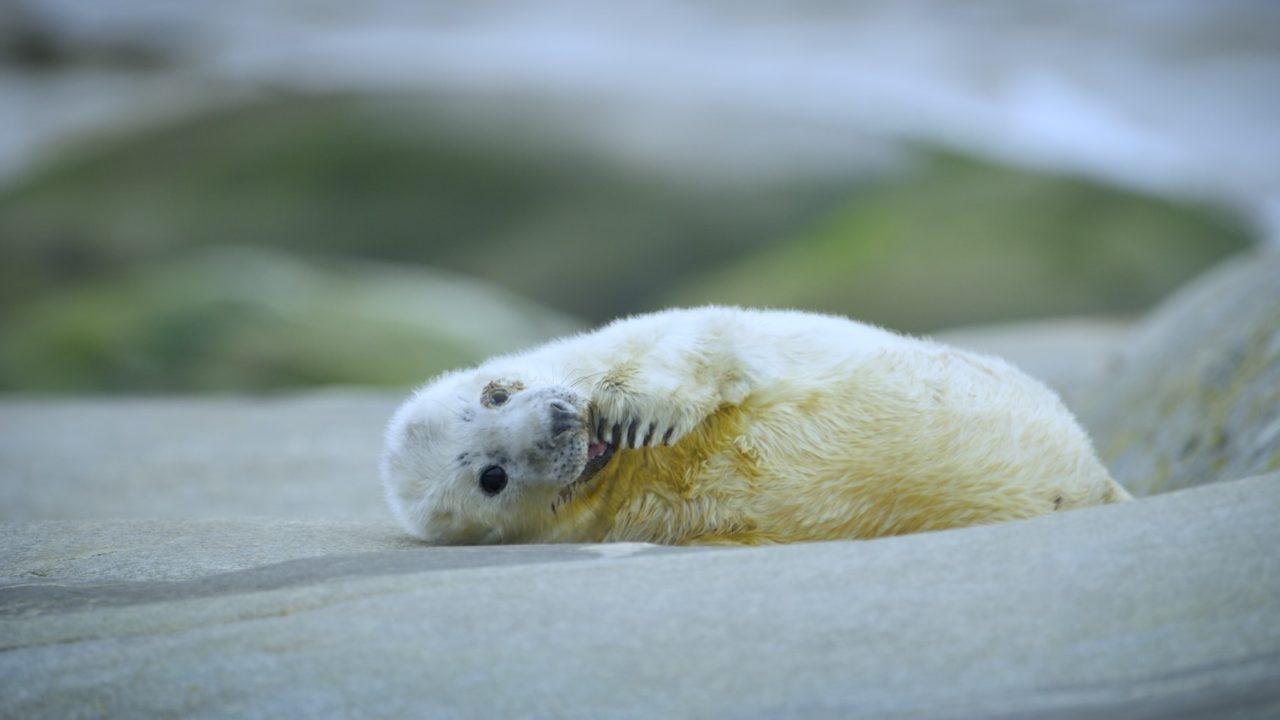
According to the Swedish Environmental Protection Agency, the goal for the gray seal population is for their impact on human interests to be positive or neutral. But how do seals actually affect our environment? And how are the gray seals in the Baltic Sea doing? We joined researchers from SLU and the Swedish Museum of Natural History to assess the seals’ health.

Keep Sweden Tidy has been working with various partners in Finland and Estonia to remove abandoned fishing gear from the Baltic Sea. At the same time, it has been raising awareness of the problem of ghost nets, amongst other things, among recreational anglers and the general public. Over the three years the project has been running, nearly 9,000 metres of ghost nets and over two tonnes of lost fishing gear have been retrieved from the sea.

The Baltic Sea is suffering from a serious ecological crisis. Above all, it is the high levels of phosphorus that cause oxygen-depleted areas and severe recurring algae blooms. Phosphorus is an essential element and an important component in agricultural fertilisers, but when it leaks into the Baltic Sea, it has a severe impact on the sea.

The Baltic Sea porpoise is currently endangered, with its population at historically low levels. The EU wants Sweden to implement measures to save it. But it turns out to be more difficult than expected.
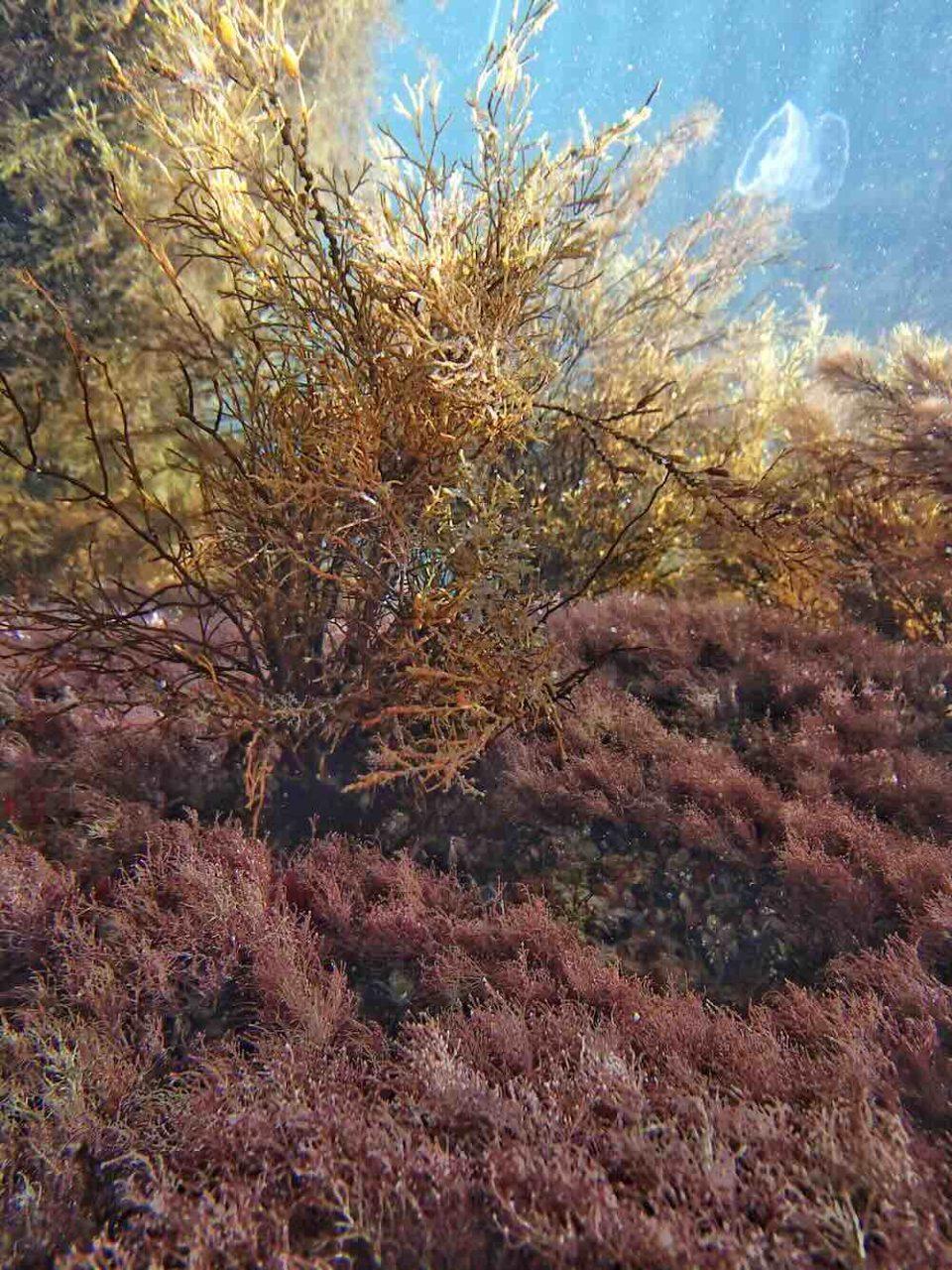
When scientists study the Black Sea’s coastal seaweed forests, they often dive beneath the surface to see them in person. Formed by two species of brown algae in the genus Cystoseira, these ecosystems can look dull from a distance. “But when you actually dive deeper, you can see the biodiversity, and these various interesting invertebrates and fish species which are moving there,” says marine biologist Sofia Sadogurska.

Ocean Devotion: Nuno Sá: ‘We need the sea’ Nuno Sá is one of the world’s leading underwater photographers, with around twenty awards from the world’s biggest nature photography competitions.

The Kunming-Montréal Framework was adopted at CBD COP15 in Montréal in 2022. By COP16, all countries were to develop an action plan on how to implement the targets included in the biodiversity framework, including the target of protecting 30 per cent of nature in the oceans and on land. Three years later, Sweden still does not have such an action plan.

The oldest recording of whale song to date has been discovered. This could open up new avenues of research into changes in whale behaviour, reports The Guardian.
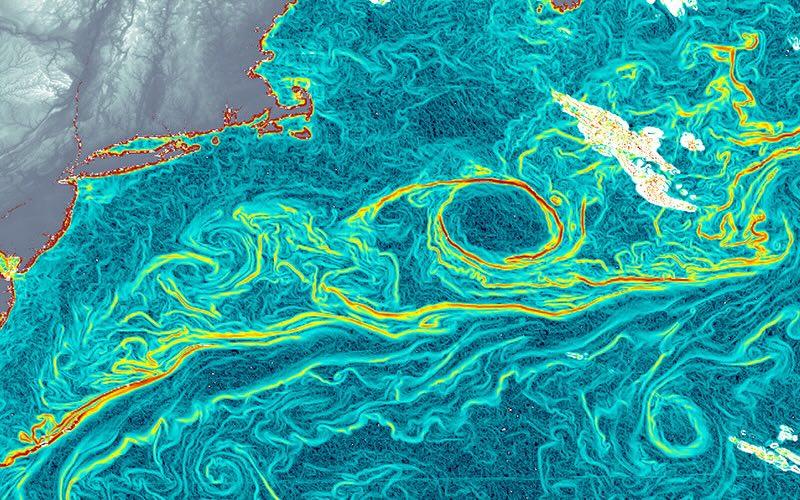
Using AI technology, researchers have been able to track ocean currents that were previously hidden and that reveal movements that shape the Earth’s climate.
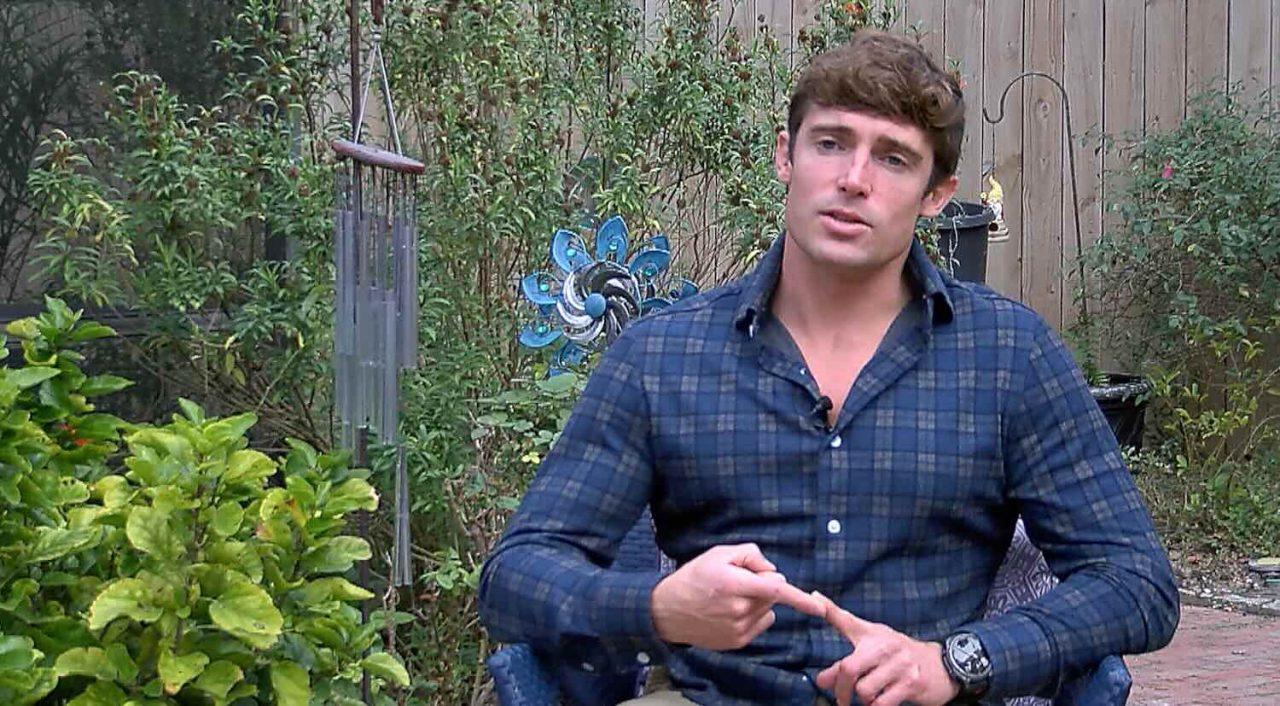
Early in 2025, Holden Harris, Ph.D. was one of the hundreds of U.S. National Oceanic and Atmospheric Administration (NOAA) employees fired by the Trump regime. Almost one year later, Trump wants to slash budgets for scientific and climate change research. But Congress has pushed back, passing a package of bills to maintain most research funding. The deadline for a budget agreement is January 30th. This is Holden Harris’s story.

When researchers talk about ‘missing data,’ they are referring to replacing previously estimated values with actual, real values in various explanatory models. This can be particularly important in climate change models. Even though approximate values provide a good picture of future climate change, the more reliable the measurement points are, the more robust the model becomes.

Everything we do in the high sea, risks causing damage that cannot be repaired. That’s what a group of leading scientists say in a recent article published in the journal Nature. They say it’s damaging biodiversity, affecting the climate, and creating huge inequalities in how resources are shared. It is time, they write, that we decide to save the ocean.

Deep Sea Reporter examines bottom trawling in marine protected areas – part two. As a national park, Kosterhavet is covered by Sweden’s strongest nature conservation laws. On paper. In practice, extensive bottom trawling for shrimp is taking place, a fishing method that is considered one of the most destructive in the world.
Deep Sea Reporter examines bottom trawling in marine protected areas – part one. The Swedish shrimp is both red-listed according to the Swedish Species Information Centre and has lost its MSC certification, yet trawling for shrimp continues even in marine protected areas. Deep Sea Reporter will examine the consequences of bottom trawling in two reportages. In part one, we dive into Gullmarsfjorden, Sweden’s first marine protected area and the country’s only threshold fjord with unique marine life.

There have been rumours of large mysterious jelly balls floating around in the sea. For a long time, they have puzzled scientists. From northern Norway to the Mediterranean, around 100 records have been made since 1985. And three of these in Sweden. Our underwater photographer Tobias Dahlin has now made a fourth find, in the Gullmarsfjord in Bohuslän on the Swedish west coast, and he had his camera with him. We also meet Halldis Ringvold, a Norwegian marine biologist, who in 2021 revealed what’s really hidden inside the meter-long wondrous balls.

Researchers have now established that the harbor seals in the Kosterhavet area are becoming increasingly scarce. Last year, only half of the females gave birth to pups. This is according to research from the University of Gothenburg, following this year’s seal count. – We were very surprised. These low numbers cannot be dismissed year after year, says Karin Hårding, professor of zoological ecology at the University of Gothenburg and the leader of the project.